
Education
Hawaii Bill Would Turn Kids Into Published Authors At Kalihi Schools

The challenges facing students at Kalihi Waena Elementary School in Kalihi are significant: nearly 75% of students come from low-income households, more than a third are English language learners, and 41% of students were performing below grade level last year.
Yet inside the century-old campus, Principal Daniel Larkin says students are resilient, eager to learn, and capable of remarkable growth. He smiles as he recalls a former English language learner who, despite coming from a family with limited schooling and a different country, went on to graduate from Stanford.
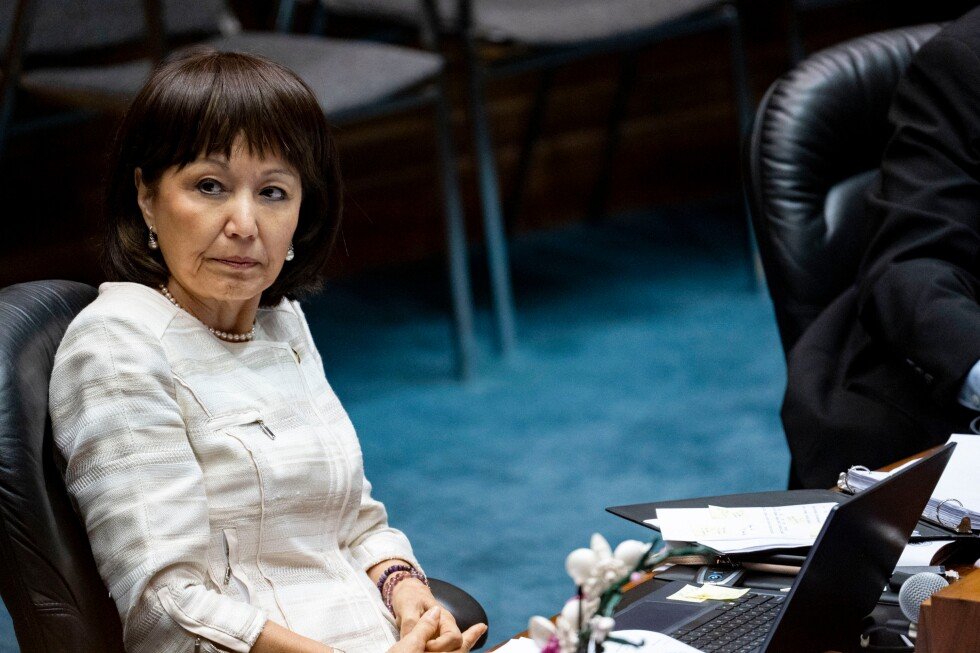
Helping students at Kalihi Waena build self-esteem and literacy skills is the goal of a pilot program being pushed this year by state Sen. Donna Kim, chair of the Senate Education Committee.
The program, proposed for elementary schools in Kalihi, is ambitious: turning fifth grade students into authors who write and publish their own books as part of literacy instruction. Kim said she was inspired by a program at Ke Kula Niʻihau O Kekaha, a charter school on Kauaʻi, where ʻŌlelo Niʻihau students produce their own books each year, showing the power of high-level, hands-on, culturally specific learning.
However, not everyone is on board with the idea.
While many educators and advocates see the potential benefits of this program, the Hawaiʻi Department of Education does not support the bill in its current form, citing existing literacy initiatives and budget constraints. Some school leaders, including Larkin, also see promise in the concept but say they would like more collaboration with lawmakers before new requirements move forward.
“When you start a program, it takes time for the results to happen,” Larkin said. “Especially when you’re starting with kids like ours that are coming with almost nothing as a background.”
Why Kalihi?
Kim said she chose Kalihi for the pilot because it reflects many of the challenges facing students across her district. The area includes a high concentration of Title I schools, diverse multiethnic families from across the Pacific Islands, dense housing, and pockets of gang activity. She said the program is designed to give students project-based learning that encourages them to want to come to school and stay engaged.
Kalihi Waena Elementary serves roughly 414 students, with classrooms reflecting a diverse mix of cultures and languages. About half of the student body is Filipino, and roughly a third are from Pacific island nations, primarily Chuuk. Many students enter the school with limited exposure to books or formal literacy instruction, requiring teachers to build foundational reading skills from the ground up.
State test scores highlight the challenge: in the 2024-25 school year, only 34.2% of third graders, 42.3% of fourth graders, and 34.1% of fifth graders met language arts proficiency, compared with a statewide average of 53%.
“We have a lot of students that have difficulty with English. Inference is not a strong suit,” Larkin said. “Our students come in, many of them have come in like second grade, and never have seen a book in their life.”
Despite these challenges, he said students show remarkable growth over time, even if test scores don’t always reflect it. “They’re ready for the help. They’re ready to stretch,” Larkin asid. “We start low, but we grow, and we grow fast.”
The school’s approach illustrates the kind of hands-on support that Kim’s pilot aims to expand, helping students gain confidence, strengthen literacy skills, and engage deeply in learning through projects like writing and publishing their own books.
Turning Kids Into Published Authors
The proposed pilot, “Story Makers,” would guide fifth grade students through researching topics, writing and illustrating books, and sharing their work with the community. Kim said she was impressed by the pride students at Ke Kula Niʻihau O Kekaha on Kauaʻi had when presenting their work to families and community members and believes a similar approach could succeed in other schools.
“It would give them a lot of self-esteem,” Kim said. “It will help them to take pride in themselves and in their community.”
Under the bill, students would move through a structured process that includes researching, drafting, editing and public book-sharing events. Each student would focus on a topic connected to their culture or the local community, while the Department of Education would fund the collection, printing and binding of the finished books.
Kim said the goal is not only to improve reading and writing skills but also to give students the type of hands-on experience that builds confidence and pride. Lawmakers hope to track improvements in writing proficiency, reading engagement, digital literacy and student confidence.
Kim described the initiative as “a low-cost, high-impact type investment,” and said it could show where culturally relevant, project-based approaches are most effective. She also criticized traditional lecture-style instruction, saying it does not meet the needs of today’s students.
“But now it’s different. And so you cannot teach the same way. You cannot teach one to 25 and lecture. You need to bring the classes together and learn from each other,” she said.
Two other principals also expressed strong support for the bill, emphasizing that the pilot project should be integrated into schools’ current curriculum rather than implemented as an additional stand-alone program. They said aligning the initiative with existing literacy instruction would allow teachers to prepare and coordinate more effectively within the academic schedule.
In written testimony, Lanakila Elementary School Principal Kerry Higa said publishing student work “fosters pride and ownership,” while elevating local voices and strengthening connections between families and schools.
Principal Kelly Bart at Likelike Elementary School wrote that the program “would provide each student the opportunity to share their unique thoughts, culture, and dreams” and would serve as “a lifelong memory to be shared with their families or housed in the school library permanently.”
Not Giving Students ‘A Fighting Chance’
Tensions over the proposal and how best to support literacy for students at schools like Kalihi Waena surfaced during last week’s hearing on the bill. Sen. Samantha DeCorte criticized the Department of Education’s lack of support for the pilot, saying the agency’s priorities are “really off.”
“You’re not really giving our students a fighting chance,” she said, adding that it was disheartening to see the department oppose “something as simple as a student’s book.”
Kim also pressed Heidi Armstrong, the DOE’s deputy superintendent for academics, to take action, emphasizing that school officials should be advocating more for students, particularly in Title I schools.
Referring to hands-on projects, she added, “You take away these programs that bring kids to school. Instead, they stay home. They’re absent and they don’t learn.”
Armstrong said the department cannot support the bill in its current form, citing extensive literacy work already underway in Kalihi through the Comprehensive Literacy State Development grant and broader fiscal constraints. She added that the DOE appreciates the Legislature’s focus on literacy and looks forward to continued collaboration.
Despite the tensions, the Senate Education Committee voted to move the bill forward with amendments, including integrating the program into existing curricula and structuring it as a capstone project rather than a standalone initiative.
“This will encompass everything that they’re learning,” Kim said during the hearing, “and allow students to be creative, allow students to be able to have confidence that they can become a published author, among so many other benefits that’s in here.”
___
Civil Beat’s education reporting is supported by a grant from Chamberlin Family Philanthropy.
___
This story was originally published by Honolulu Civil Beat and distributed through a partnership with The Associated Press.