Breaking News
Home Prices Are Falling in More Than Half of Major Cities

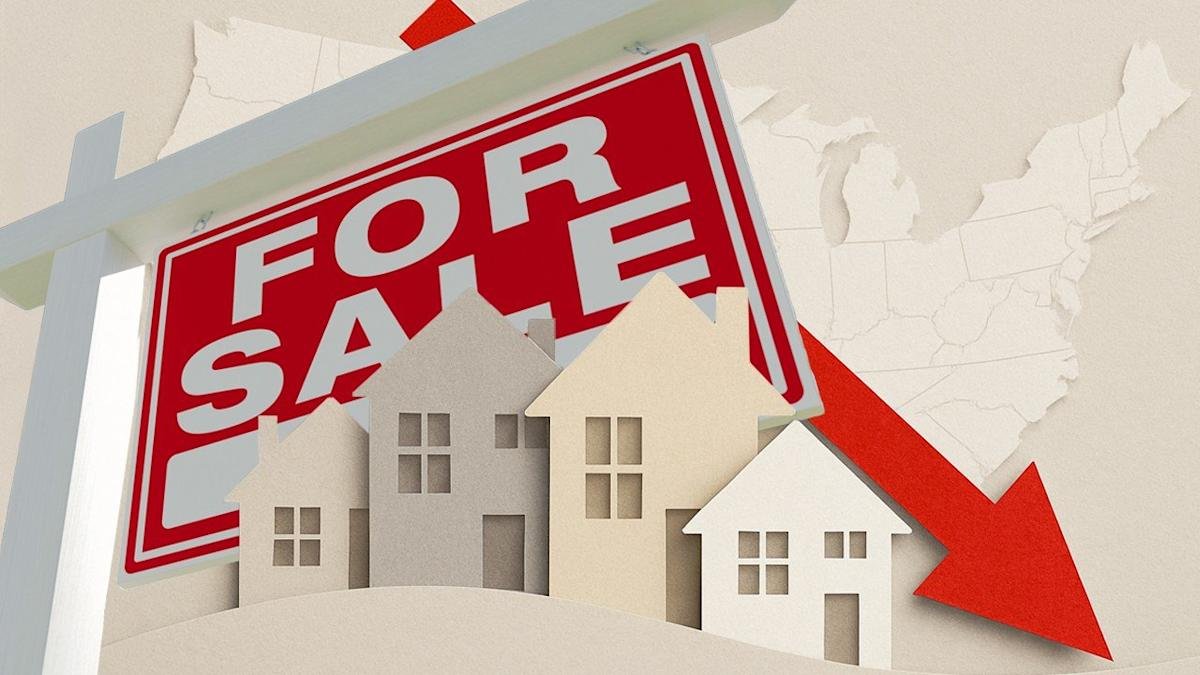
National growth in home values continues to decelerate, with prices now falling in more than half of the 20 major metro areas tracked by a key index.
The value of single-family homes in the U.S. as measured by repeat transactions rose 1.3% in September compared to a year earlier, according to data from the S&P Cotality Case-Shiller Index released on Tuesday.
It marked the weakest annual gain in home prices since mid-2023 and was down from the 1.4% annual gain recorded in August.
Among the 20 major metros tracked by Case-Shiller, home values fell on an annual basis in 11, all located in the South and West. Tampa, FL, and Phoenix continued to see the largest year-over-year declines in home prices, with prices falling 4.14% and 2.02%, respectively.
Meanwhile, Chicago saw the biggest annual gain in home prices, which rose 5.45% and outpaced the 5.25% gain in New York City, which had led the nation in price appreciation for several months in a row.

All 20 metros recorded monthly declines in home values before seasonal adjustment in September, underscoring the broad-based weakness in the housing market as affordability challenges continue to weigh on demand.
“The housing market’s deceleration accelerated in September,” says Nicholas Godec, head of fixed income tradables and commodities at S&P Dow Jones Indices. “With mortgage rates stubbornly elevated and affordability at multidecade lows, the market appears to be settling into a new equilibrium of minimal price growth—or, in some regions, outright decline.”
Mortgage rates averaged 6.35% in September, and have since fallen below 6.3% for the first time in a year, according to Freddie Mac. But home prices remain at historically high levels relative to income, putting a damper on demand and limiting the potential for appreciation.
“The modest decline in mortgage rates from earlier in the year has encouraged some buyer activity, with existing-home sales rising in October for the fourth consecutive month,” says Realtor.com® senior economist Anthony Smith. “However, sticky home prices and high borrowing costs continue to strain affordability, keeping home sales at historically low levels.”
September marked the fourth straight month that national home prices grew more slowly than overall inflation, with the annual increase in home prices 1.7 percentage points lower than the 3% year-over-year gain in the consumer price index.
It means that home prices are now falling marginally on a real, or inflation-adjusted, basis, delivering a modest improvement in affordability to prospective buyers.