
Breaking News
Will SNAP benefits be affected by the government shutdown? 40 million Americans could miss out if stalemate continues.

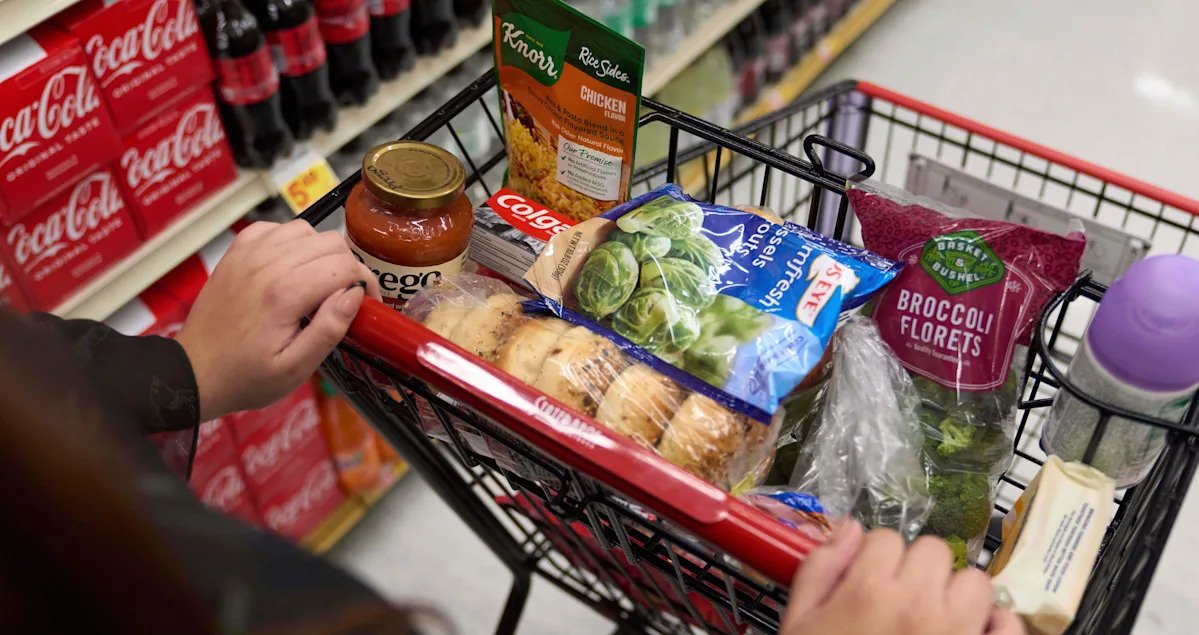
More than 40 million Americans are at risk of losing critical food assistance benefits next month because of the government shutdown. States across the country have started warning that payments through the Supplemental Nutrition Assistance Program (SNAP) will not be distributed as scheduled on Nov. 1 if Congress fails to reopen the government before the end of the month.
Agriculture Secretary Brooke Rollins said last week that “there are not enough funds” to provide SNAP benefits to keep the program operating as long as the shutdown continues.
“So you’re talking about millions and millions of vulnerable families, of hungry families that are not going to have access to these programs because of this shutdown,” she told reporters on Thursday.
Individual states operate their own SNAP programs, but 100% of the funding for food assistance comes from the federal government. Several states have issued notices saying they will not be able to distribute SNAP benefits at the beginning of next month.
“SNAP is a proven, time-tested program, one that protects children and families from going hungry,” Dulce Quintero, secretary of the Illinois Department of Health, wrote in a statement. “The federal government needs to ensure families receive their benefits on November 1, so their livelihoods are not disrupted.”
Texas, West Virginia and Pennsylvania are among the states that have also said SNAP benefits will not go out if the shutdown is still in effect. Other states, including New Jersey, have instead said that the status of benefits is “unclear” at this point.
What is SNAP?
SNAP is better known among the public by its old name, food stamps. It was renamed in 2008 to overcome the stigma that had plagued the program for decades. SNAP is the federal government’s largest food assistance program. It provides money directly to low-income Americans to help them cover food costs.
Participation in SNAP has increased dramatically in recent years, and so has its price tag. Last year, the government provided more than $100 billion in SNAP benefits to a total of $42 million people.
Earlier this month, the Trump administration reallocated $300 million in revenue from tariffs to fund a small portion of SNAP that provides benefits to pregnant women, new mothers and young children. Finding the billions of dollars it would take to keep the entire program afloat would be a much larger challenge. During the last government shutdown, the Department of Agriculture announced it would use a special provision in the law to cover benefits for an extra month. That shutdown ended before that step was necessary.
As of Monday afternoon, there has been no indication that the government is planning to either use that same provision or to redistribute other funds to pay for November SNAP benefits.
On top of the disruption caused by the shutdown, states are also dealing with significant cuts to SNAP that were passed this summer as part of President Trump’s One, Big Beautiful Bill. The bill tightened work requirements for SNAP recipients and substantially limited the number of people who can be exempted from those requirements. Those changes also go into effect on Nov. 1.
More cuts to the program, including the requirement that states cover the cost of benefits for the first time, will kick in over the next few years. In total, the bill is expected to reduce federal spending on SNAP by $187 billion over the next decade, according to the Congressional Budget Office.