Breaking News
Boeing Defense Union Strikes for First Time in Almost 30 Years

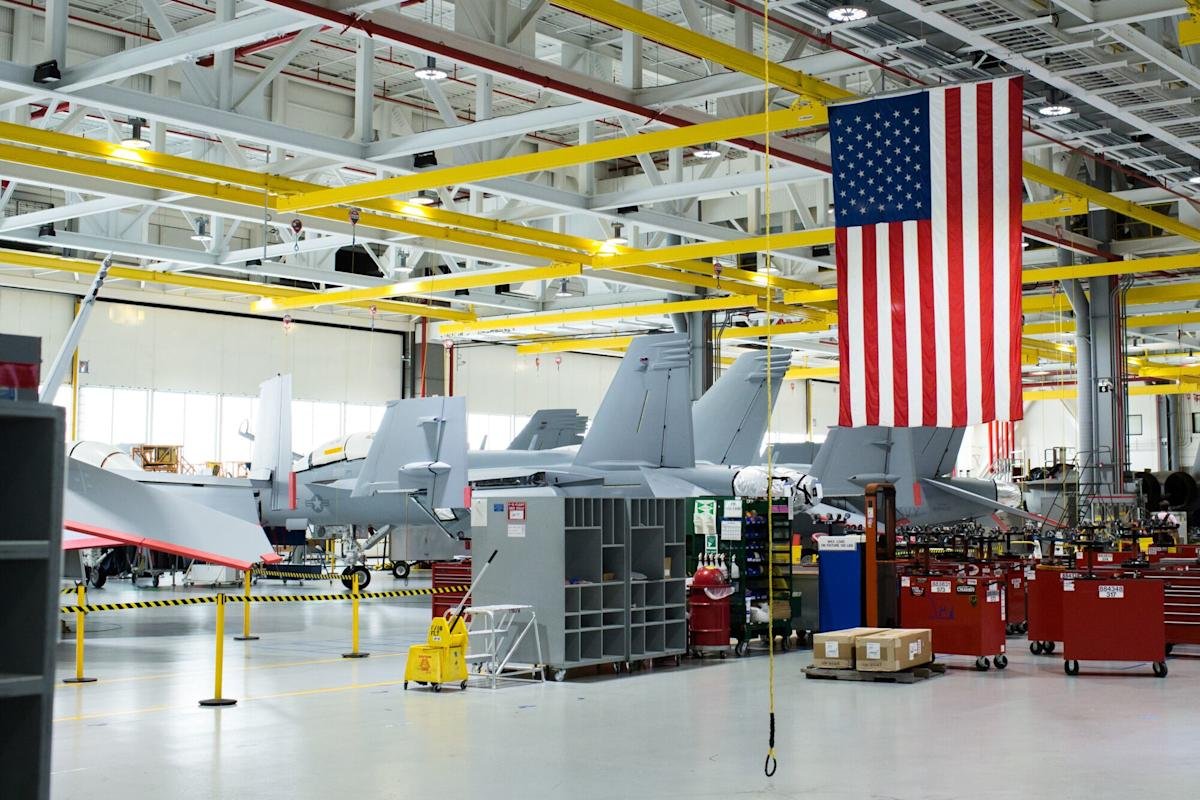
(Bloomberg) — Workers at Boeing Co.’s St. Louis-area defense factories are striking for the first time in almost three decades after union members rejected the company’s modified contract offer.
Most Read from Bloomberg
About 3,200 machinists walked off the job around midnight after members voted down a deal that would have raised wages by 20% and boosted retirement contributions. The union last went on strike in 1996, with the stoppage lasting 99 days.
“IAM District 837 members have spoken loud and clear, they deserve a contract that reflects their skill, dedication, and the critical role they play in our nation’s defense,” Tom Boelling, the union local’s top official, said in a statement ahead of the deadline.
The labor action will amplify financial pressure on Boeing’s defense and space division, which generates almost a third of the company’s revenue. At the same time, the operation that’s now gone on strike is far smaller than the civil aircraft business that was severely affected late last year by a walkout, which brought manufacturing in the Seattle area to a standstill for weeks and contributed to Boeing selling equity worth almost $24 billion.
“We are prepared for a strike and have fully implemented our contingency plan to ensure our non-striking workforce can continue supporting our customers,” Dan Gillian, a Boeing vice president and senior St. Louis site executive, said in a statement.
Union members build fighter aircraft such as the F-15, the T-7 training jet, missiles and munitions. They also manufacture components for Boeing’s 777X commercial jets. In March, Boeing won a contract to design and build the US’s next-generation stealth fighter jet, beating out rival Lockheed Martin Corp. for the multibillion dollar program dubbed the F-47.
Boeing’s defense business was profitable for a second consecutive quarter, the company said last month, as it avoided charges that long dogged the business. The company also managed to improve the performance of fixed-price development programs responsible for the worst of previous overruns.
There’s been a recent groundswell of activism at aerospace manufacturers, with unions gaining leverage amid shortages of highly skilled mechanics.
Machinists walked off the job for three weeks at Pratt & Whitney this year, contributing to engine shortages at planemaker Airbus SE. Boeing’s commercial factories were shut down by striking workers for two months in late 2024.
Story Continues