
Breaking News
3 big changes for America’s national parks in 2026

2026 is not going to be like other years at national parks.
Not only will they mark America’s 250th anniversary with a year full of commemorative events, but there were also be several major changes for visitors.
“From Independence Hall and the Statue of Liberty to Revolutionary War battlefields, memorials to our nation’s founders, and places associated with hundreds of years of American history, national parks across the country will serve the American people through our mission to provide opportunities for the enjoyment, education, and inspiration of this and future generations,” the National Park Service says on its website’s landing page for 250th commemoration events.
Here are three big changes coming to America’s national parks in 2026.
1. More free national park days
There will be more free entry dates at national parks in 2026, but only U.S. residents will be eligible for these “patriotic fee-free days.”
President’s Day: Feb. 16
Independence Day weekend: July 3–5
110th Birthday of the National Park Service: Aug. 25
Constitution Day: Sept. 17
Theodore Roosevelt’s birthday: Oct. 27
In recent years, Martin Luther King Jr. Day, the first day of National Park Week, Juneteenth, Great American Outdoors Act signing Day, and National Public Lands Day have been free-entry days for all visitors, in addition to Veterans Day.
Most of the 433 sites in the National Park System do not charge entry fees, but many of the most popular ones do. Entry fees typically top out at $35 per private vehicle.
Travelers can see which parks charge fees and how much they cost on the National Park Service’s website.
Free park days: Americans react to national parks ditching free entry on Juneteenth, MLK Day

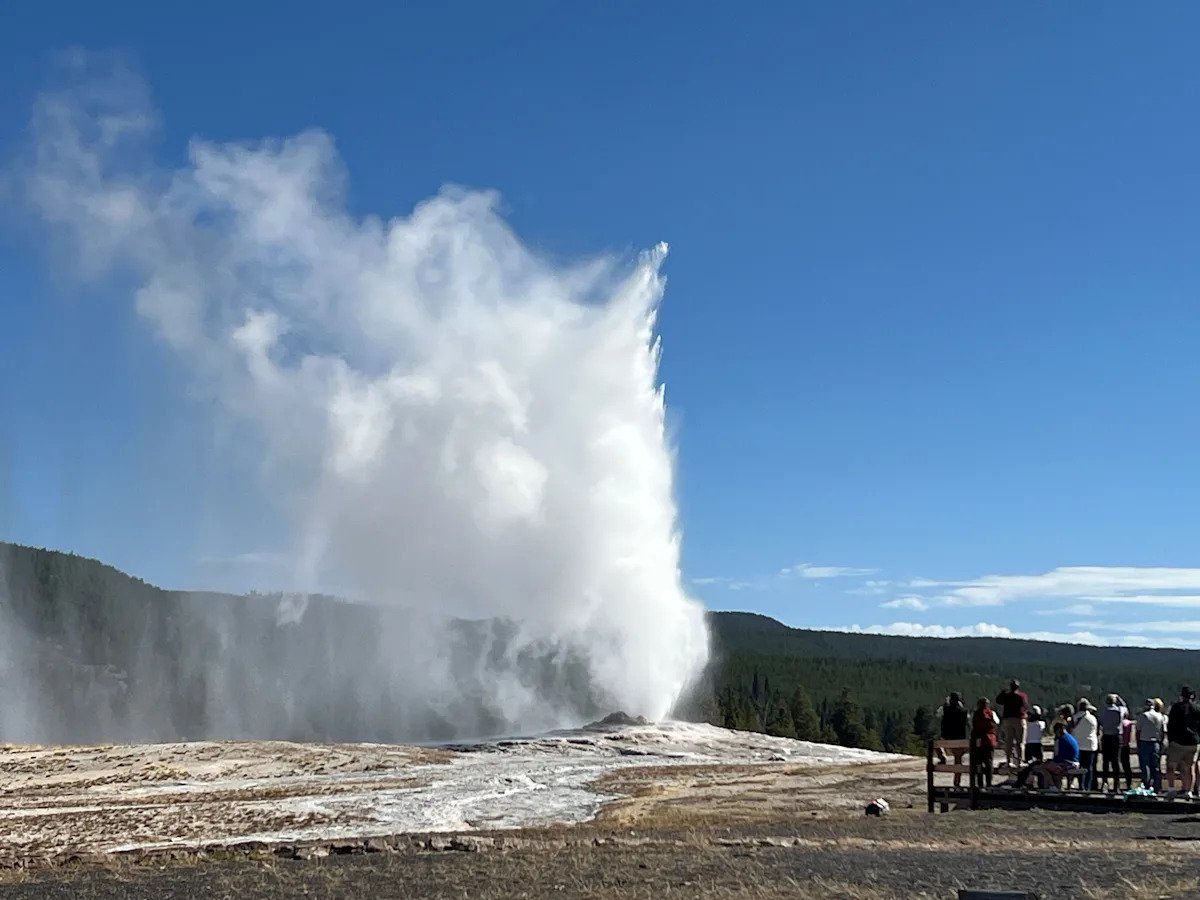
Old Faithful continues to wow Yellowstone visitors.
2. Higher fees for foreign tourists
Effective Jan. 1, “nonresidents without an annual pass will pay a $100 per person fee to enter 11 of the most visited national parks, in addition to the standard entrance fee,” among other charges, the Department of Interior announced in late November.
Affected national parks:
Sequoia and Kings Canyon are technically different parks, but they operate as one.
Also starting Jan. 1, non-U.S. residents will have to pay more for the America the Beautiful annual pass. The public lands pass will cost them $250, while U.S. residents will continue to pay $80 for a year-long access.
“These policies ensure that U.S. taxpayers, who already support the National Park System, continue to enjoy affordable access, while international visitors contribute their fair share to maintaining and improving our parks for future generations,” Interior Secretary Doug Burgum said in a news release in line with an executive order designed to “allow more Americans to visit national parks.”
Residents will be asked to enter their ZIP code when buying passes through Recreation.gov and show a U.S. government-issued photo ID when using the passes. Visitors without such identification will be asked to upgrade to a nonresident annual pass, according to the Interior Department. It also said existing passes will continue to be honored until expiration.
3. New digital park passes
New digital America the Beautiful passes have been rolled out for annual passholders, military, seniors, fourth graders, visitors with disabilities and volunteers with at least 250 hours of service at federal recreation sites.
Passes will also cover two motorcycles per pass instead of one.
They can be stored on mobile devices and linked to physical cards for user convenience. In the past, if a visitor purchased an annual pass and lost the physical card, they’d have to buy a new one.
Both digital and physical passes feature new artwork with “patriotic designs that honor America’s landscapes, heritage and outdoor legacy,” the Interior Department said. One pass features presidents George Washington and Donald Trump side by side.
This article originally appeared on USA TODAY: 3 national park changes visitors should know for 2026